 July 16, 2026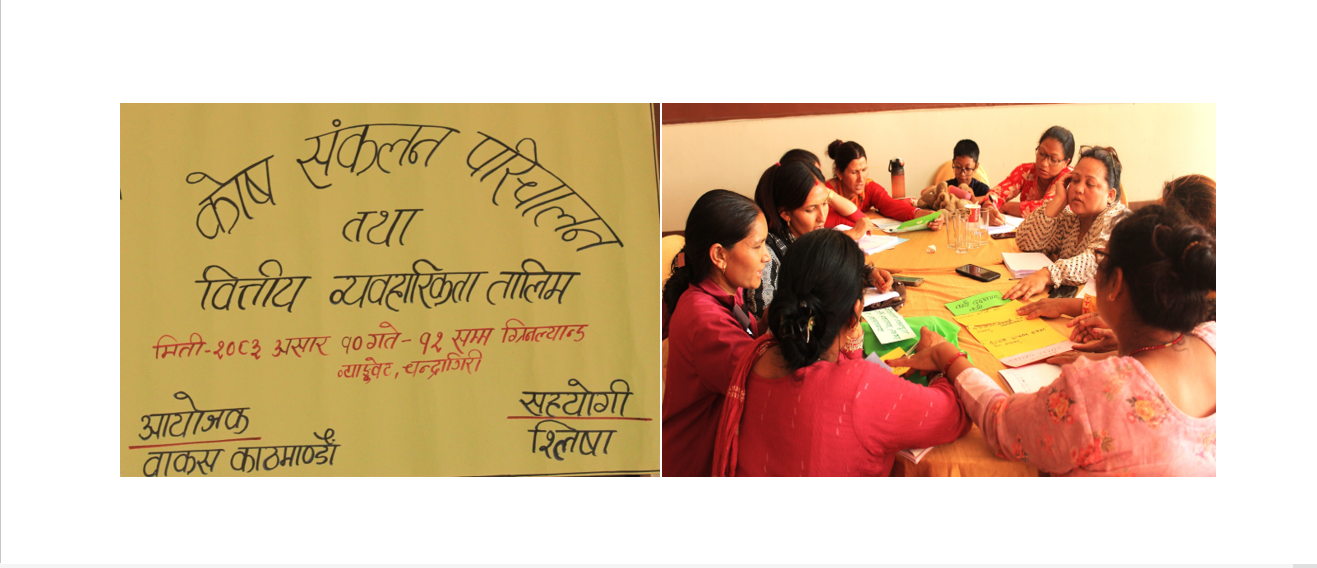
June 23–26, 2026 | Kathmandu, Nepal
A three-day Fundraising, Resource Mobilization, and Accounting System Training was conducted for the WAWCAS Kathmandu LNGO team from June 23–26, 2026. The primary objective of the training was to strengthen participants’ motivation and enhance their technical knowledge and practical skills in fundraising, resource mobilization, financial management, and accounting systems to support sustainable program implementation.
The training began with a review of each region’s action plan. Participants presented the progress they had made since developing their plans, sharing achievements, challenges, and lessons learned. Their presentations demonstrated a high level of commitment and enthusiasm, showing that they had taken ownership of their action plans and were actively implementing them within their respective communities.
To create an engaging learning environment, the sessions incorporated interactive games, storytelling, and practical exercises. One opening activity challenged participants to find different ways to reach a target. During the reflection, participants concluded that there are always multiple pathways to achieve a goal, and if one approach does not succeed, it is important to identify and try alternative strategies. This lesson was directly linked to fundraising, emphasizing persistence, creativity and adaptability.
Another interactive exercise focused on building fundraising networks. Participants were asked to think about whom they would approach for fundraising support and how they would make their request. As each participant shared their ideas while passing a thread to another participant, a large web was created across the room. The activity visually demonstrated the importance of building strong networks and maintaining relationships with individuals and organizations that can provide support over time.
Participants also prepared and delivered a one-minute fundraising speech, practicing how they would confidently introduce their organization, communicate its mission, and request support from potential donors. Through constructive feedback and repeated practice, participants improved their confidence and communication skills.
A lively Resource Hunt activity encouraged participants to identify the resources already available in their communities. Rather than focusing only on financial resources, participants identified a wide range of existing assets, including community leaders, volunteers, public spaces, educational institutions, local businesses, equipment, stationery, transportation, and other in-kind resources. The exercise reinforced the concept that effective resource mobilization begins with recognizing and utilizing existing community strengths.
The training also included stakeholder mapping. Participants analyzed different stakeholders by categorizing them as positive, neutral, or negative based on their level of support and influence. Through discussion, participants agreed that immediate efforts should focus on strengthening relationships with positive stakeholders while developing strategies to gradually engage neutral stakeholders. Negative stakeholders were recognized but not prioritized, allowing participants to use their limited resources strategically.
Participants worked together to identify common constraints to fundraising, including limited donor networks, lack of confidence, insufficient communication skills, and resource limitations. Based on these challenges, each regional team developed practical fundraising strategies and prepared realistic action plans that they could implement after returning to their communities.
The final sessions focused on strengthening financial management and accounting systems. Participants learned how to maintain accurate financial records, manage receipts and supporting documents, prepare financial reports, and establish transparent accounting practices. The training also covered essential audit requirements and internal control measures, emphasizing that accountability and transparency are fundamental to building donor trust and ensuring organizational sustainability.
Overall, the training was highly participatory and practical. By combining games, storytelling, discussions, presentations, and hands-on exercises, participants remained actively engaged throughout the program. The training not only increased their knowledge and technical skills but also strengthened their confidence to mobilize resources, build strategic partnerships, and manage finances with greater transparency and accountability. Participants left the training with clear action plans and renewed motivation to apply the knowledge and skills they had gained to strengthen the sustainability and impact of their programs.